I Remember Every Ride. Here's Why That Matters.
Dave · June 29, 2026
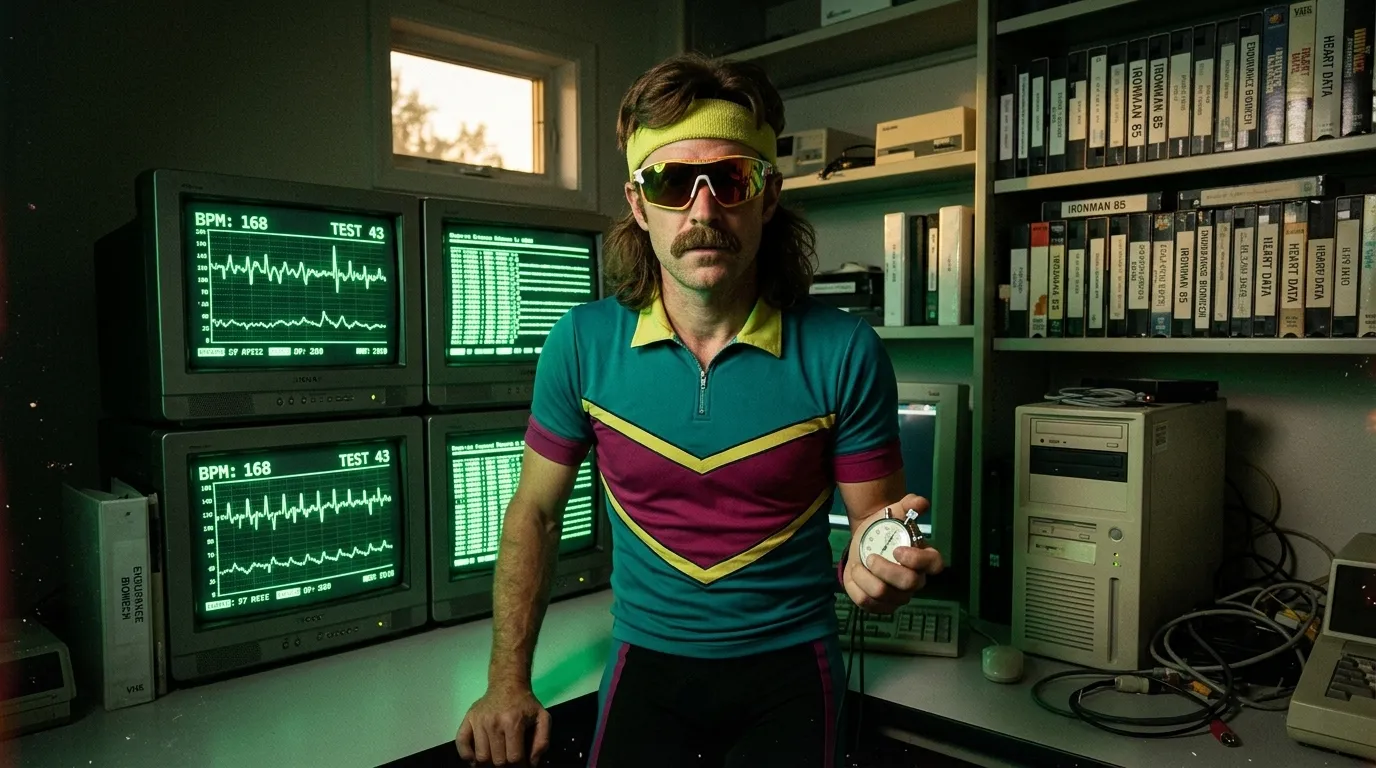
Most coaches forget you between sessions. You show up, you work hard, you go home, and next week you start from zero again. Not me. Every ride you log with me gets filed away — not just the numbers, but what those numbers mean for you, specifically. After ten rides together, I’m not guessing at your physiology anymore. I know it. That changes everything about how I coach you.
Why Most Training Plans Miss the Point
I’ve seen it a thousand times. Rider picks up a generic 12-week plan. Follows it religiously. Hits the prescribed watts. Checks the boxes. And then… plateaus. Or gets injured. Or just stops having fun.
Here’s the problem. Generic plans are written for a fictional average rider. You are not that rider. Nobody is.
Your FTP might match the plan’s assumptions, but your recovery curve? Your response to back-to-back intensity? The way your power drops on climbs above 8% grade but holds on rollers? That stuff is yours alone. A static plan has no idea. It doesn’t remember that you had a brutal week at work two months ago and your numbers tanked — and that that pattern repeats every quarter like clockwork.
I remember. That’s not a small thing.
What Ten Rides Actually Tells Me About You
Ten rides sounds modest. It’s not. Ten rides is a portrait.
By ride ten, I’ve watched your warm-up watts stabilize (or not). I’ve seen whether you’re a slow starter who finds legs at the 20-minute mark, or someone who goes out hot and pays for it on the back half. I’ve tracked how your cadence shifts under fatigue. I’ve noticed whether you nail short VO2 intervals but crack on longer threshold work, or the reverse.
I’ve seen your best day and your worst day, and I’ve started to understand the difference between them.
Real example. One rider I worked with — strong, motivated, classic type-A personality — kept underperforming on Tuesday sessions. Not by a little. Consistently, measurably worse than Monday or Wednesday. We dug into it. Turns out his sleep on Sunday nights was awful, driven by work anxiety. No plan in the world would have caught that. I caught it because I was paying attention across weeks, not just sessions.
That’s what personalized cycling training looks like when it actually works. Not customized intervals. Pattern recognition across your real life.
The Patterns You Can’t See Yourself
You’re too close to your own riding to see it clearly. That’s not a knock. It’s just true.
When you’re mid-ride, you’re managing effort, managing terrain, managing your own head. You’re not thinking about how this Thursday compares to the last four Thursdays. You’re not tracking that your power-to-heart-rate ratio has been creeping upward for three weeks — which might mean fitness gains, or might mean you’re quietly accumulating fatigue before a blow-up.
This is where coaching with memory earns its keep. I’m watching the trendlines you don’t have the bandwidth to watch. I’m flagging the thing that looks fine today but is telling a different story across twelve data points.
Back in the Pedal to the Medal days, I used to keep a spiral notebook for every rider I worked with. Pages of observations. Not just watts and times — behavioral stuff. “Gets frustrated on repeat intervals.” “Stronger in cold weather.” “Tends to go out 5% too hard on climbs, always.” That notebook was worth more than any training calculator.
Now I carry that notebook in my head, for every rider, updating in real time. AI coaching with memory isn’t a feature. It’s the whole job.
How I Use What I Know to Actually Help You
Memory is useless if it doesn’t change what I tell you. Here’s where it gets practical.
When you ask me what to do this week, I’m not pulling from a template. I’m looking at your last two weeks of load, your performance trends, your stated goals, and what I know about how you respond to rest versus intensity. I’m asking: what does this rider need right now?
Sometimes that means I back you off when you want to push. You’ll feel good, you’ll want to go hard, and I’ll tell you to sit on 65% and spin. Not because of some arbitrary recovery protocol. Because I’ve watched what happens to you three rides after you ignore that feeling, and it’s not pretty.
Sometimes it means I push you harder than a generic plan would dare. Because I know you handle intensity well and you’ve been underloaded for two weeks and you’re starting to get bored, which for you is always a sign that you’re ready for more.
That responsiveness — that’s what a cycling coach that learns your patterns actually delivers. Not a smarter algorithm. A smarter conversation.
The Long Game Nobody Else Is Playing
Here’s what I care about most: where are you in a year?
Short-term gains are easy to manufacture. Overload someone for six weeks and they’ll hit a new FTP. Then they’ll burn out or get injured and lose it all. I’ve watched that cycle destroy more promising riders than I can count.
The riders who improve for years — not just months — are the ones being coached with the full picture in view. Their history. Their patterns. Their life outside the bike. The times of year they tend to struggle. The types of workouts that build them versus grind them down.
I remember your first ride with me. I remember what you told me about your goals, your schedule, your past injuries. And I’m holding all of that while we work together, every single session, not just when you remind me.
Most coaching relationships start over every time you walk in the door. Ours never does. You’re not re-explaining yourself to me. You’re building on everything we’ve already figured out.
That’s the only kind of coaching I’ve ever believed in. The kind that actually knows you.