Why I Ask You Questions Instead of Just Giving You Answers
Dave · June 5, 2026
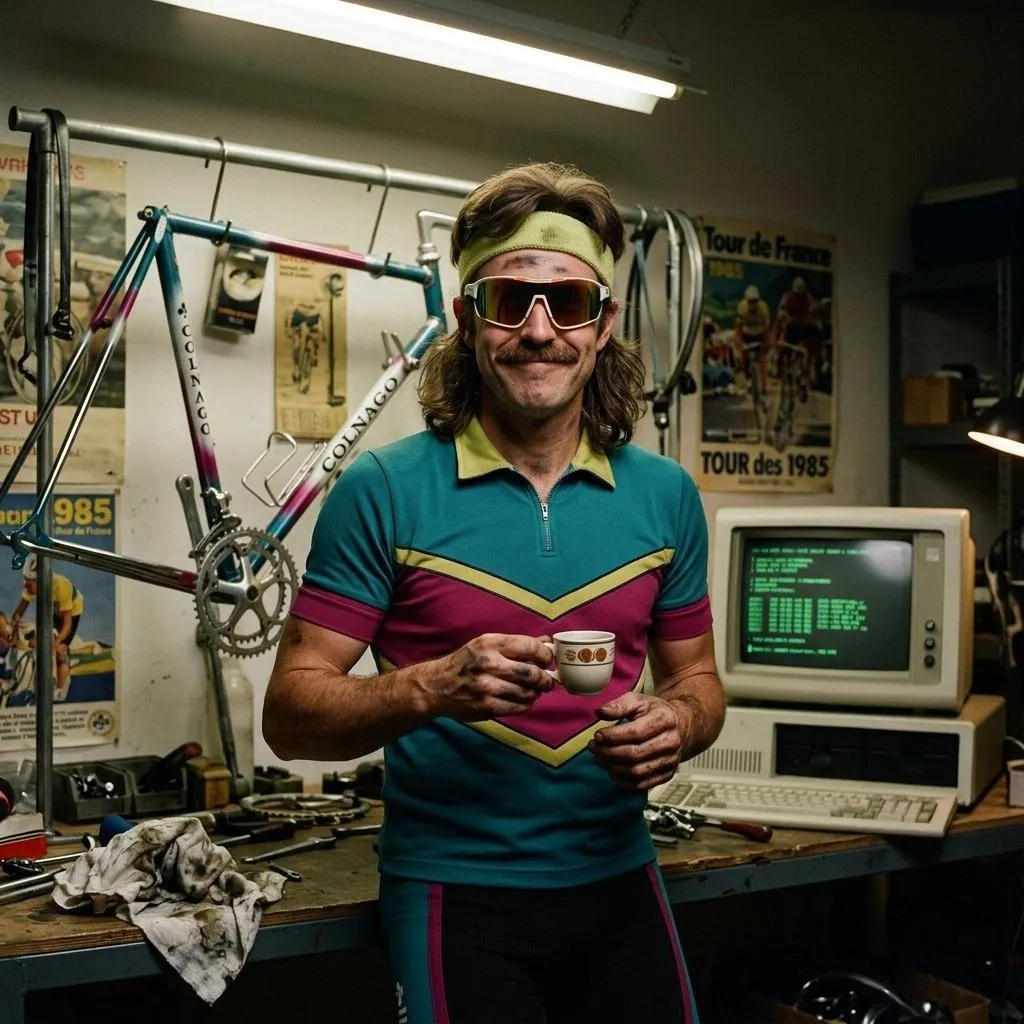
Most coaches hand you a plan. I hand you a question. That’s not me being difficult — that’s me being useful. Because the truth is, your data is a rumor until you confirm it. Power says one thing, heart rate says another, and neither of them knows you woke up at 3am worrying about your mortgage. I ask questions because the answers live in your legs, not your head unit. Every conversation we have is me building a picture that no file upload can give me on its own.
Why Your Numbers Are Only Half the Story
I’ve seen a rider post 280 watts on a climb and call it the hardest effort of their life. I’ve seen another rider post the same number and say it felt like a warmup. Same data. Two completely different days. That gap — between what the numbers show and what the body knows — is where most coaching falls apart.
Power is honest about output. Heart rate is honest about load. Neither one is honest about context. Did you sleep? Did you eat? Are you two weeks into a block or two days off the couch? Are you carrying something emotionally that you’d never think to mention because it doesn’t feel like a cycling problem?
It is a cycling problem. All of it is.
When you tell me the ride felt harder than the numbers suggest, that’s not weakness. That’s signal. I log that. I adjust. When you tell me you felt like an absolute freight train on a day your power was mediocre, I want to know everything about that day. What did you eat? What time did you sleep? Because that’s the blueprint for getting you back there.
The Power and Heart Rate Disagreement That Changed How I Coach
Back in my Pedal to the Medal days, I had a rider — a criterium guy, sharp instincts, fast hands — who was putting up great power numbers in training. His heart rate was elevated, but not alarming. I looked at the data and told him to keep pushing. I didn’t ask.
He cracked two weeks later. Not dramatically. Just went flat. The kind of flat where you’re turning the pedals and the fire is completely gone.
When I finally sat down and asked him how he’d been feeling — not performing, feeling — he said he’d been off for a week before things fell apart. He just hadn’t said anything because the numbers looked fine and he didn’t want to seem soft.
That one cost me sleep. I had the data. I skipped the question. I won’t do that again.
Power and heart rate disagreement in cycling is one of the most important conversations I have with riders. High power, low heart rate usually means you’re fresh and flying. Low power, high heart rate can mean fatigue, illness, heat, dehydration, or emotional stress. But “usually” is doing a lot of heavy lifting in that sentence. The only way to know which scenario you’re actually in is to ask.
What Personalized Cycling Coaching Actually Means
The phrase “personalized coaching” gets thrown around a lot. Most of the time it means your plan has your name on it. That’s not personalized. That’s a mail merge.
Real personalization means I know that you always underreport effort on intervals because you’re worried I’ll think you’re complaining. It means I know that when you say “felt okay,” you actually mean “felt rough but I finished.” It means I know your left knee gets grippy when you’re dehydrated, not injured, and we don’t need to pull you off the bike — we need to get you drinking more in the hour before you roll out.
That kind of knowledge doesn’t come from a file. It comes from a conversation. From me asking “how did that feel?” for the thirtieth time until you stop answering automatically and start answering honestly.
People sometimes ask me how cycling coaching actually works when it’s built around questions instead of just numbers. Here’s the honest answer: the questions are the coaching. The plan is the output. The conversation is the product.
How I Use Your Answers to Coach You Forward
When you tell me a session felt harder than expected, I’m not just logging a complaint. I’m cross-referencing it. Was your heart rate elevated? Were you at altitude? Had you ridden the day before? Did you tell me last week that you’d had a brutal stretch at work? Every answer you give me builds a pattern.
Over time, that pattern tells me things your power meter never could. It tells me how you respond to back-to-back days. It tells me how long your legs take to come back after a really deep effort. It tells me what “tired” looks and feels like specifically for you — because tired doesn’t look the same on everyone.
That’s when the coaching gets good. When I can look at your data, hear how you felt, and say: “This is exactly what happened six weeks ago. Here’s what we did then. Here’s what we’re doing now.” That’s not guesswork. That’s a record. Built question by question, ride by ride.
Some riders find the questions annoying at first. They want the answer, not the interview. I get it. But those same riders are the ones who come back six months later and say they’ve never trained smarter. Because by then they’ve learned something most athletes never do — how to read themselves.
The questions aren’t me being cautious. They’re me being precise. Your data is the map. Your answers are the terrain. And I’m not coaching the map.